
Capital of the Alps and a city of contrasts
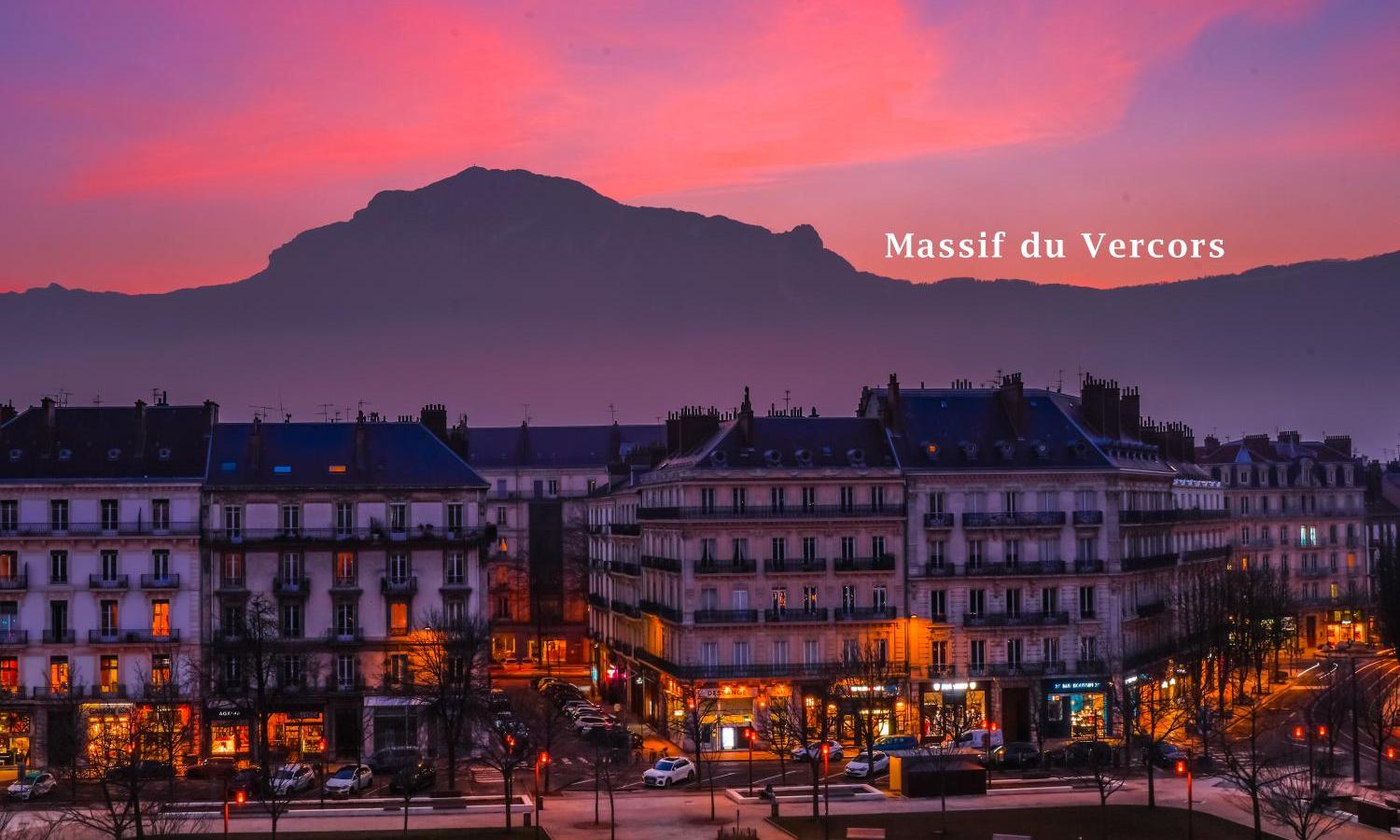
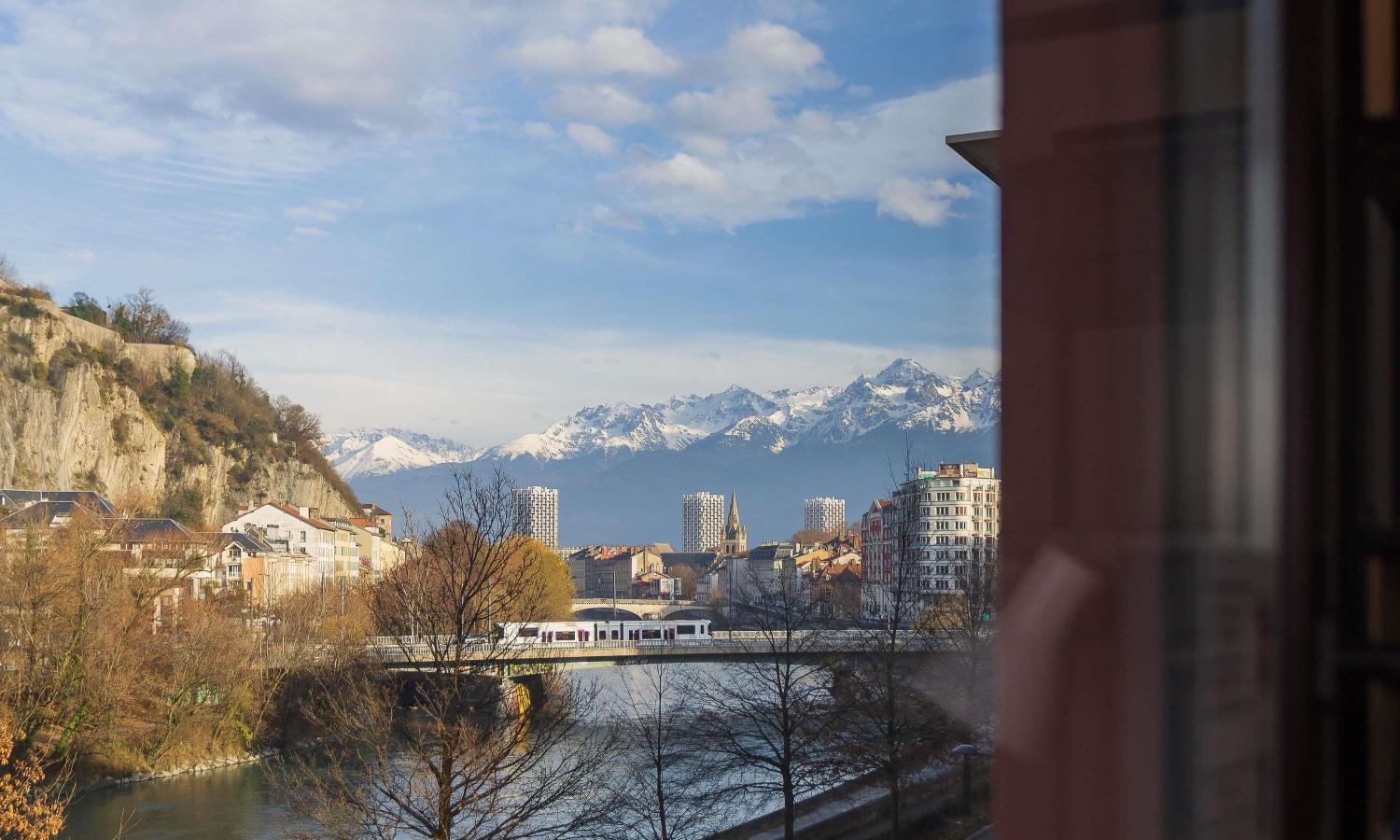
Grenoble charms with its ability to blend extremes: both a university city and a hub of research, a former stronghold and a center of innovation, it presents a multifaceted, open and captivating face. Surrounded by the Vercors, Chartreuse and Belledonne mountain ranges, it envelops you in a grand natural setting while inviting you to explore a city rich in culture, history and lifestyle.
A lively city center steeped in history
The historic center, around Place Notre-Dame, is a maze of cobbled alleys, old facades, inner courtyards and lively little squares. This is where the heart of the city beats, between the cathedral, grand townhouses and renowned museums. The Grenoble Museum, in particular, houses an impressive collection of ancient and modern art.
Districts with strong personalities
Each district of Grenoble has its own distinctive atmosphere. Championnet attracts with its independent shops and cozy cafés. Saint-Bruno, more popular, reflects an active and friendly city. La Caserne de Bonne promotes eco-friendly urbanism, while the surroundings of Île Verte offer a green and quiet break just steps from the center.
La Bastille: an unforgettable panorama
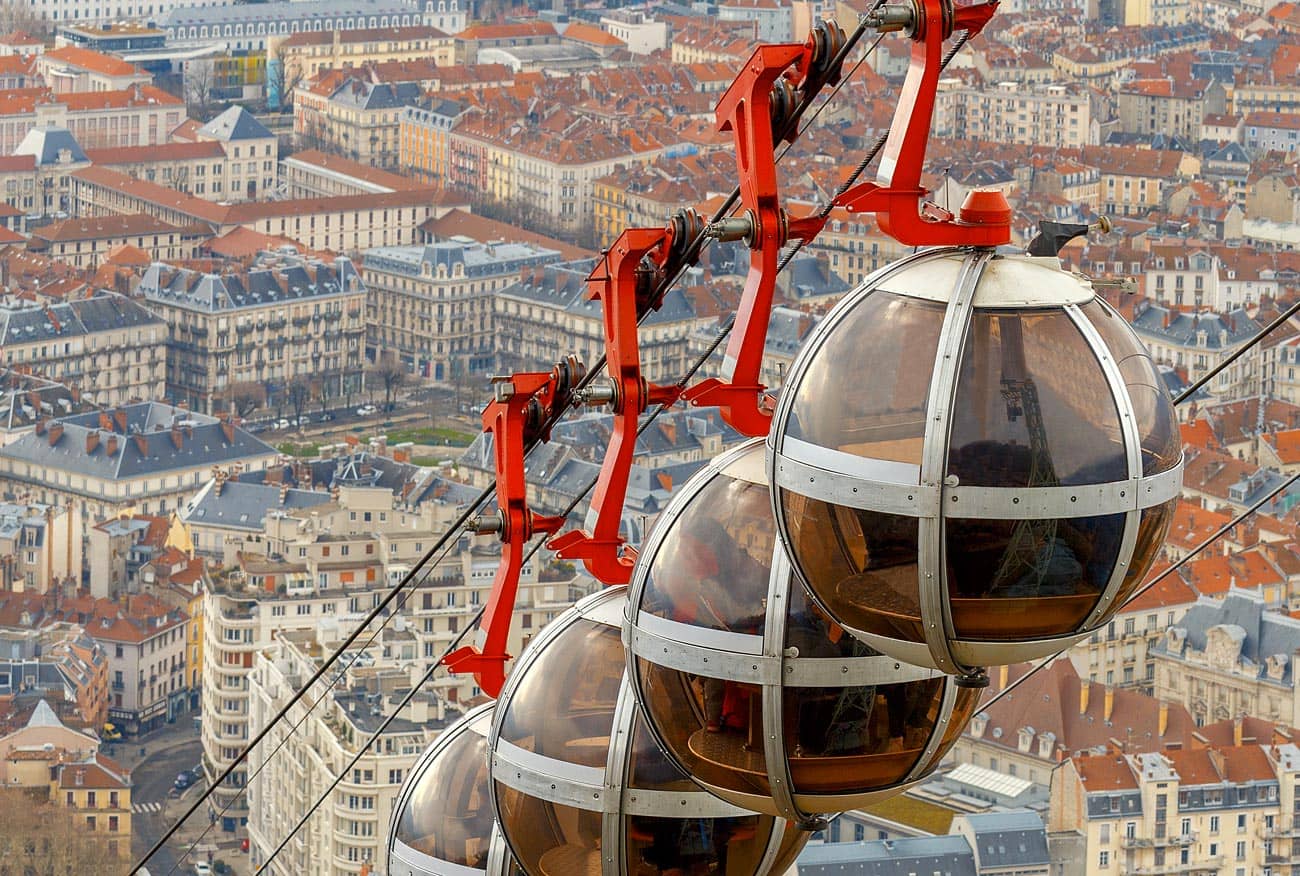
Taking the famous "bubbles" of the Grenoble cable car offers a gradual ascent to one of the most stunning viewpoints in the region. From La Bastille, a former military fort, the view spans the entire valley and surrounding peaks. The more curious can continue their walk toward the trails of Mount Jalla or the old satellite forts for a nature getaway without leaving the city.
A cultural and artistic scene in constant motion
Grenoble cultivates a vibrant spirit. It hosts numerous cultural events throughout the year, from the Street Art Festival to exhibitions at the Magasin des Horizons, as well as concerts at La Belle Électrique or socially conscious theatre performances. The city also teems with alternative venues and former industrial sites turned creative spaces.
Street art as a visual signature
All over the city, on building facades and in forgotten alleys, street art is displayed in the open air. Driven by the Street Art Fest Grenoble Alpes, this living art has become a link between neighborhoods and a new way to discover the city, on foot or by bike, following monumental murals and subtle works.
Unusual walks and hidden places
Beyond the classic routes, Grenoble hides more discreet treasures: hidden staircases leading to viewpoints, interior passageways between two shopping streets, the romantic old Saint-Roch cemetery, or the alleys of the Saint-Laurent district. Every detour reveals an architectural detail, a piece of history or an unexpected green spot.
Villages within the city
Around Grenoble, several districts have kept a village spirit: Proveysieux, Venon or even the heights of La Bastille offer a slower pace, old houses and a true connection to nature. Perfect for a country-style break or a hike starting from the tram, these areas show another facet of the Grenoble basin.
A generous and gourmet destination
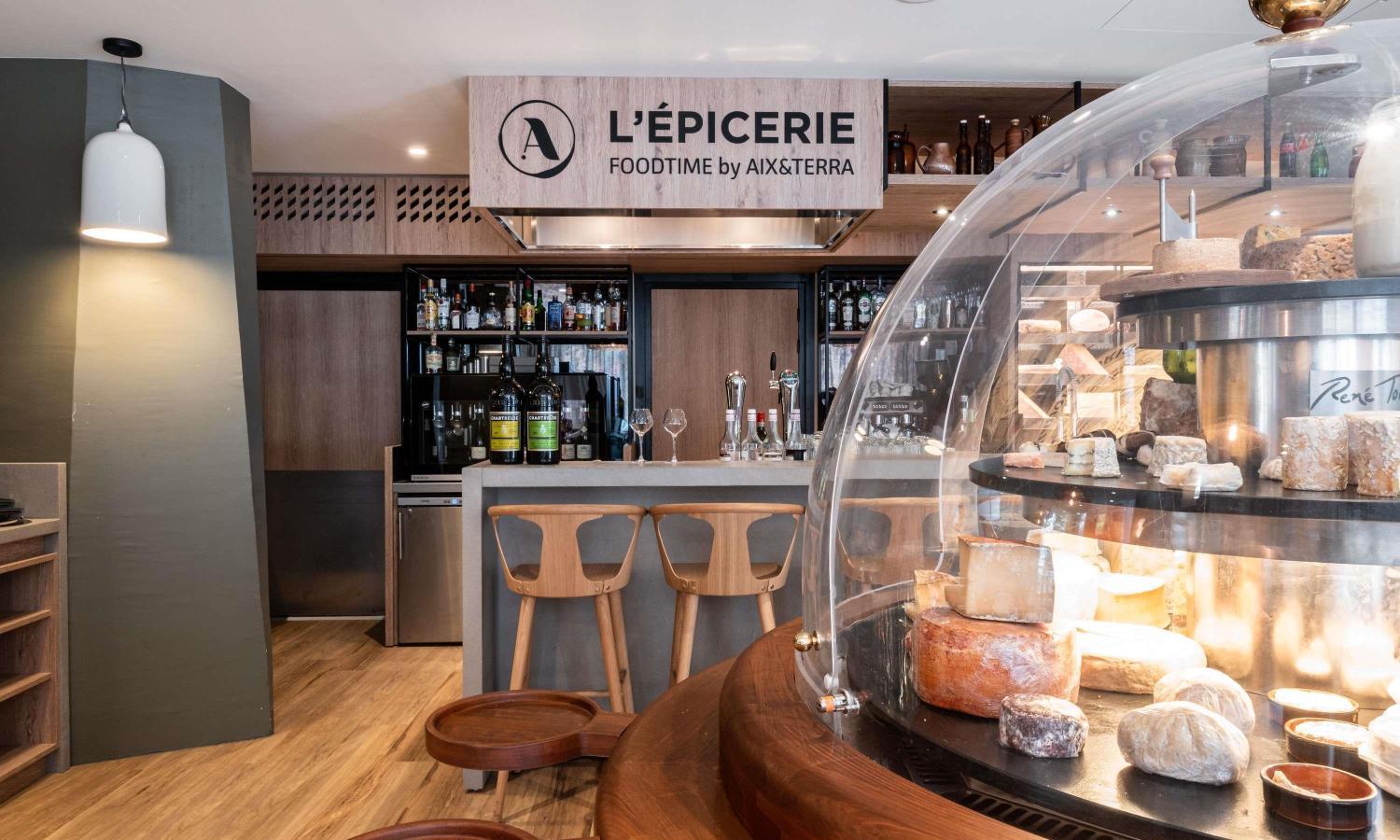
Dauphinoise cuisine reflects its territory: authentic, simple and tasty. Gratin dauphinois, Royans ravioli, Bleu du Vercors-Sassenage cheese or murçon sausage are just some of the local specialties to discover in traditional restaurants or at the markets. Don’t miss the famous walnut tart, a sweet symbol of the region, or a Chartreuse liqueur, produced just a few kilometers away.
Markets, artisans and local producers
Grenoble highlights its local producers. You’ll find regional products at the Estacade, Saint-Bruno or Championnet markets. Several delicatessens, wine cellars and cheese shops also offer a fine selection of regional specialties. It’s a great way to take home a gourmet souvenir or put together a picnic to enjoy outdoors.
A city designed for pedestrians and cyclists
With its efficient tram network, numerous bike lanes and semi-pedestrian streets, Grenoble encourages gentle mobility. It’s easy to explore the city without a car, strolling from one district to another or cycling along the banks of the Isère to reach outlying parks. A pleasant way to get around while enjoying both urban and natural scenery.
An ideal location for exploring
Grenoble is also a perfect base for exploring the Alps. In less than an hour, you can reach ski or hiking resorts, visit the hilltop villages of the Vercors or discover the Choranche caves. The city is connected by train and road to Lyon, Geneva, Chambéry and Valence, making it a strategic stop for a trip that combines nature and culture.
Events not to miss
Throughout the year, Grenoble pulses with major events: Cabaret Frappé in summer, Street Art Fest, Mountain Film Meetings, the Fête des Tuiles or the Christmas markets in winter. Many free or participatory events punctuate local life, reflecting the commitment and creativity of Grenoble’s residents.
A lifestyle between city and mountains
Living or staying in Grenoble means experiencing a rare balance between city life and fresh air. Here, you can attend a lecture in the morning, go shopping in the afternoon, then hike a forest trail before dinner. This fluidity between worlds, between nature and urban life, makes Grenoble a unique, welcoming city where it feels good to settle down for a few days... or longer.